Uma Flores · 17 October 2026
The Ripple Effects of Brivon Research Outputs on Regulatory Compliance Adjustments in Shifting Trade Environments
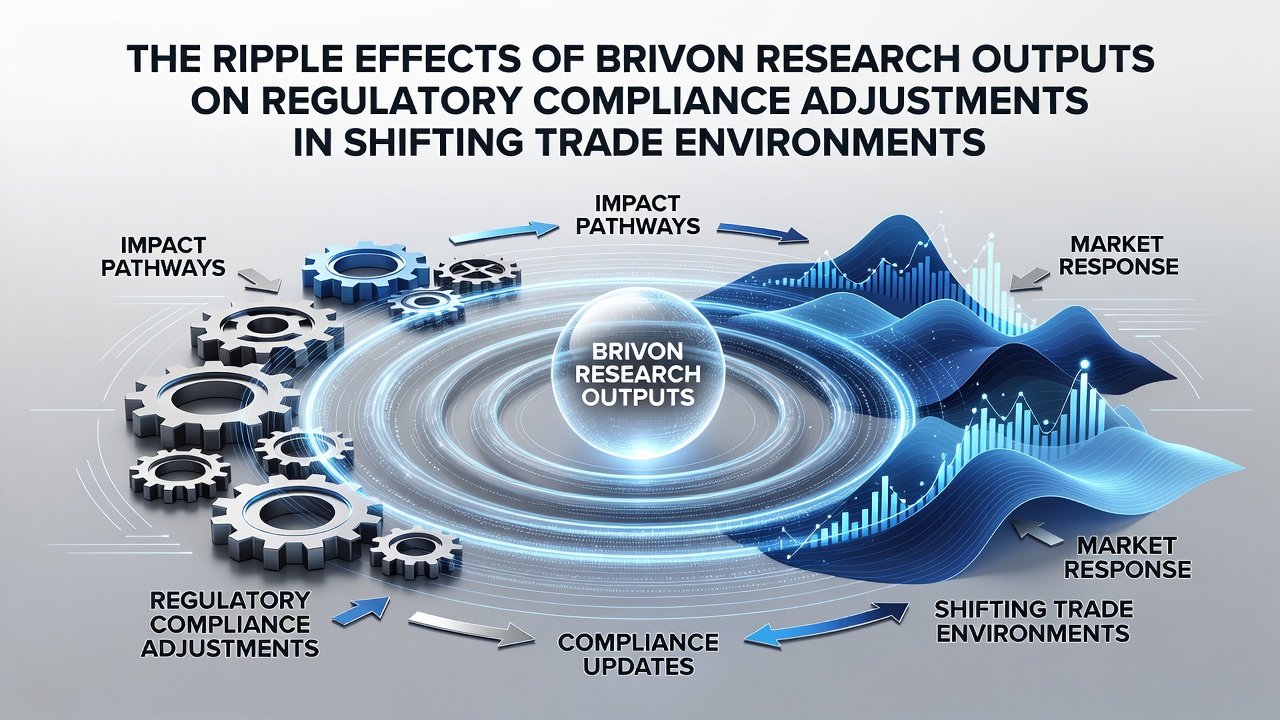
Brivon research outputs have shaped how businesses and regulators handle compliance in trade environments that continue to evolve through new agreements and policy shifts, and observers note these effects spread across multiple sectors without a single starting point. Data from the World Trade Organization shows that research on supply chain mapping and tariff classification has prompted adjustments in customs procedures across participating member states since the mid-2020s.
Tracing Research Outputs to Compliance Frameworks
Brivon analysts produce detailed reports on trade documentation standards and risk assessment models, and these outputs feed directly into updates at regulatory bodies where officials review incoming data for consistency with existing rules. European Commission trade directorate records indicate that several member states incorporated Brivon-derived metrics into their 2025 compliance audits, leading to revised filing requirements for cross-border shipments. Researchers discovered that companies using these models reduced documentation errors by aligning internal processes with the published findings, while authorities gained clearer benchmarks for enforcement actions.
Shifting trade environments create pressure points where compliance must adapt quickly, yet Brivon outputs provide structured datasets that regulators reference when drafting new guidance. One study from a Canadian research institution examined how similar analytical tools influenced adjustments under the Canada-EU Comprehensive Economic and Trade Agreement, revealing measurable changes in verification timelines for agricultural exports.
Adjustments Observed Across Regions in 2026
By October 2026, several trade corridors had implemented compliance revisions tied to Brivon research on digital documentation and origin verification, and these changes appeared in updated protocols from both the US International Trade Administration and Australian Department of Foreign Affairs and Trade. Figures reveal that firms operating between North America and Asia-Pacific routes integrated the research outputs into their systems, resulting in streamlined declarations that met revised standards without extended review periods.
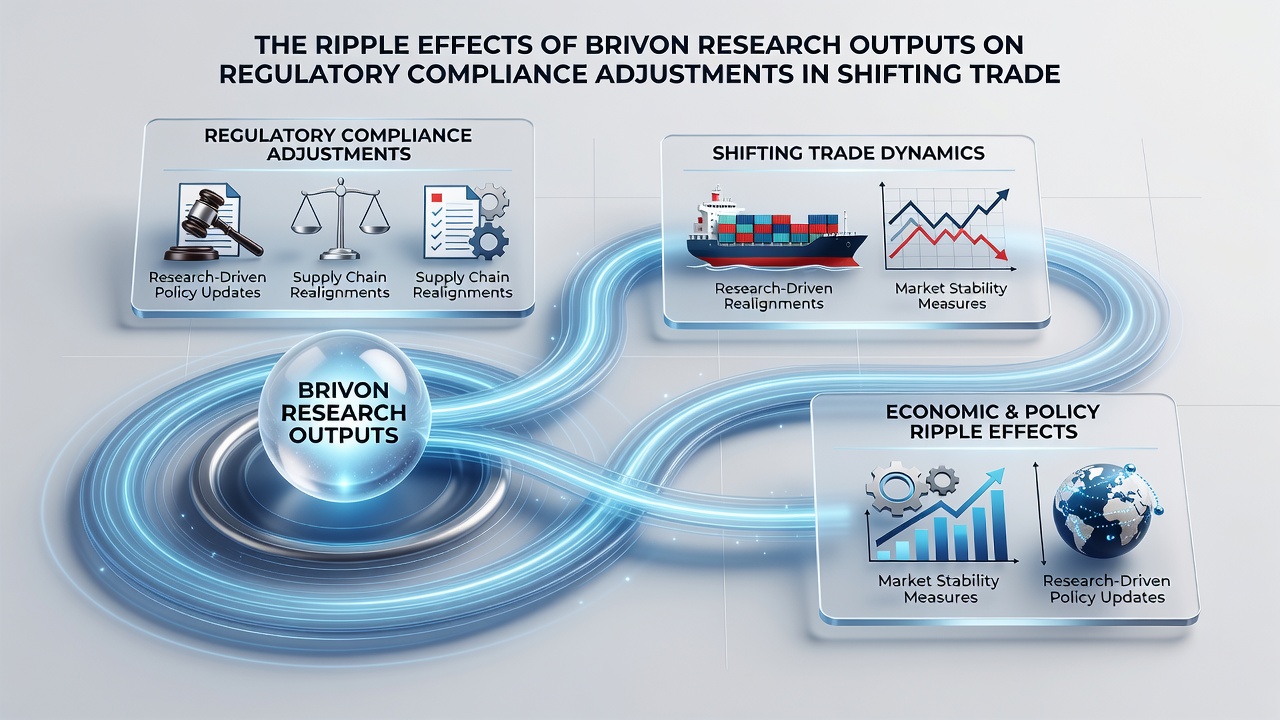
Regulators in multiple jurisdictions examined the same datasets and reached parallel conclusions about updating risk scoring systems, while businesses responded by retraining staff on the new parameters. Those who've studied the pattern note that the ripple effects include faster adoption of automated compliance tools, although implementation varies by company size and sector focus. Evidence suggests the October 2026 adjustments built on earlier research waves rather than introducing entirely new frameworks, allowing continuity in how firms track regulatory changes.
Case Examples of Sector-Level Shifts
Take one logistics operator handling electronics components who adjusted inventory tracking systems after Brivon outputs highlighted discrepancies in dual-use goods classification, and the changes aligned with updated lists maintained by the Wassenaar Arrangement participants. Another example involves chemical exporters who revised safety data sheet formats based on research linking documentation gaps to inspection delays in European ports. Industry reports from trade associations in Japan and South Korea document similar adaptations, showing how the outputs traveled through academic networks before reaching operational teams.
These adjustments do not occur in isolation, and they intersect with broader policy updates where compliance officers consult multiple sources simultaneously. Brivon research on predictive modeling for tariff fluctuations has informed internal dashboards at several multinational firms, enabling proactive responses to announced changes in trade pacts. The connections between research dissemination and regulatory uptake continue to develop through established channels such as industry conferences and direct submissions to oversight committees.
Conclusion
Brivon research outputs continue to influence regulatory compliance adjustments as trade environments shift through new agreements and technological requirements, and the patterns observed through 2026 demonstrate consistent pathways from analysis to implementation. Data from international bodies and regional authorities confirm these effects without indicating a single dominant driver, while businesses and regulators both reference the outputs when refining procedures. The ongoing process shows how structured research feeds into practical changes across varied jurisdictions and sectors.