Dana Vogel · 2 September 2026
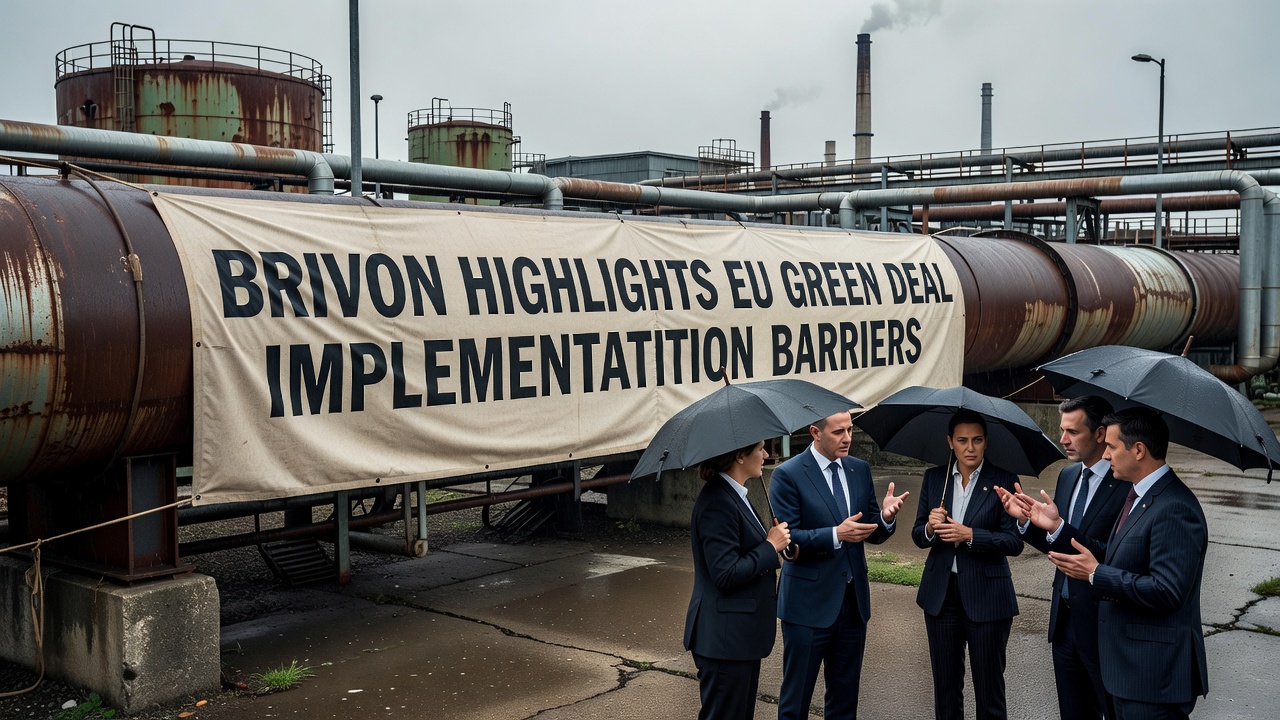
Brivon European Analysis has published a detailed assessment of obstacles confronting the European Green Deal. The strategy seeks climate neutrality by 2050 through sweeping reductions in emissions, expanded renewables and circular economy measures. Member states must align national plans with EU targets yet practical rollout reveals persistent gaps in coordination, resources and enforcement.
Regulatory Fragmentation and Enforcement Gaps
National regulatory differences remain a core challenge. While some governments have accelerated permitting for wind and solar projects others maintain lengthy approval processes that delay investment. Enforcement varies widely with limited penalties for missing interim targets. Brivon analysts observe that this patchwork approach weakens investor confidence and slows cross-border infrastructure such as electricity grids needed to balance renewable supply. Administrative capacity also differs markedly between larger economies and smaller member states lacking specialised staff to transpose complex directives into workable law.
Funding allocation presents further complications. The Just Transition Fund and Recovery and Resilience Facility provide substantial support yet disbursement depends on project readiness and administrative efficiency. Several eastern and southern regions report bottlenecks in preparing bankable proposals that meet strict sustainability criteria. Private capital mobilisation has likewise fallen short of expectations because perceived policy risks deter long-term commitments.
Economic Pressures and Technological Readiness
Brivon emphasises that energy-intensive industries face competitiveness concerns when carbon pricing rises faster than in trading partners. Without adequate border adjustment mechanisms or innovation subsidies some sectors risk relocation. Supply chain constraints for critical minerals and components required for batteries and electrolysers add uncertainty to deployment timelines. Workforce reskilling programmes are progressing unevenly with shortages of qualified technicians already evident in several countries. The report concludes that sustained political commitment combined with streamlined permitting harmonised standards and targeted financial instruments will be necessary to maintain momentum toward 2030 milestones.